Allegro means fast and lively. Pastell means soft and faded. The title is a contradiction, and so is the relationship at its heart. Tanja and Jerome are two thirty-somethings who have their love life so beautifully managed that neither of them dares to say what they actually want.
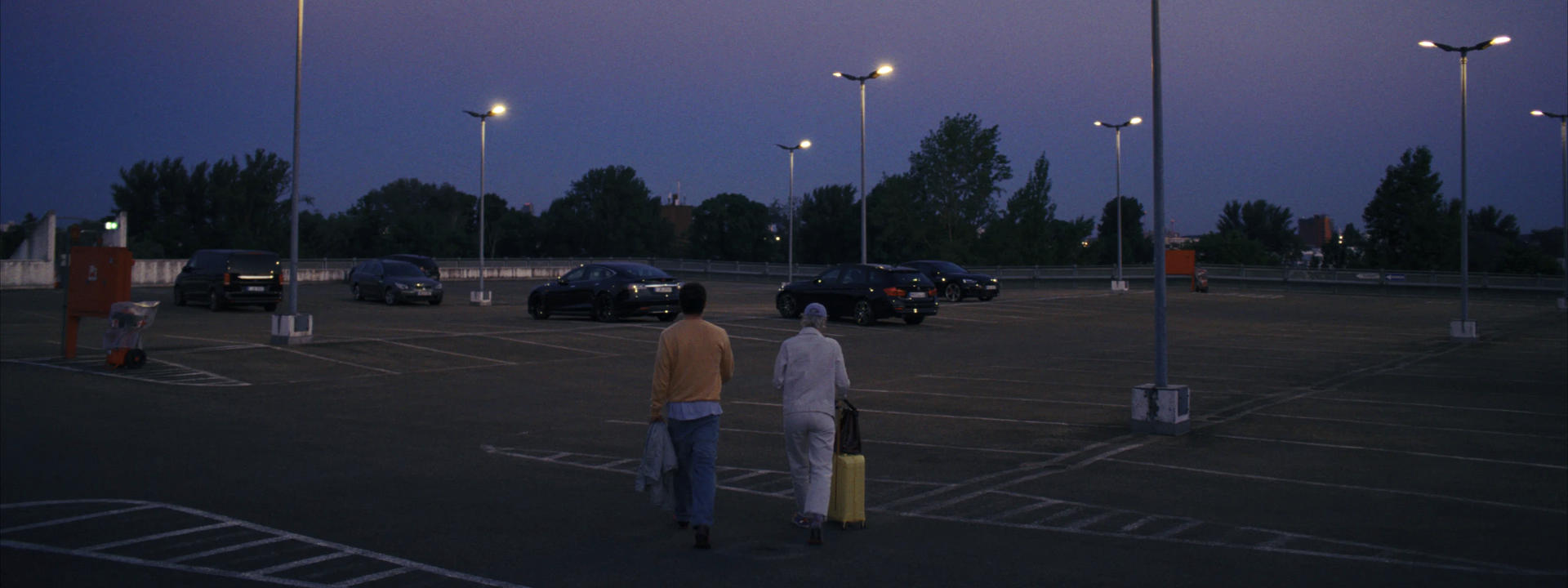
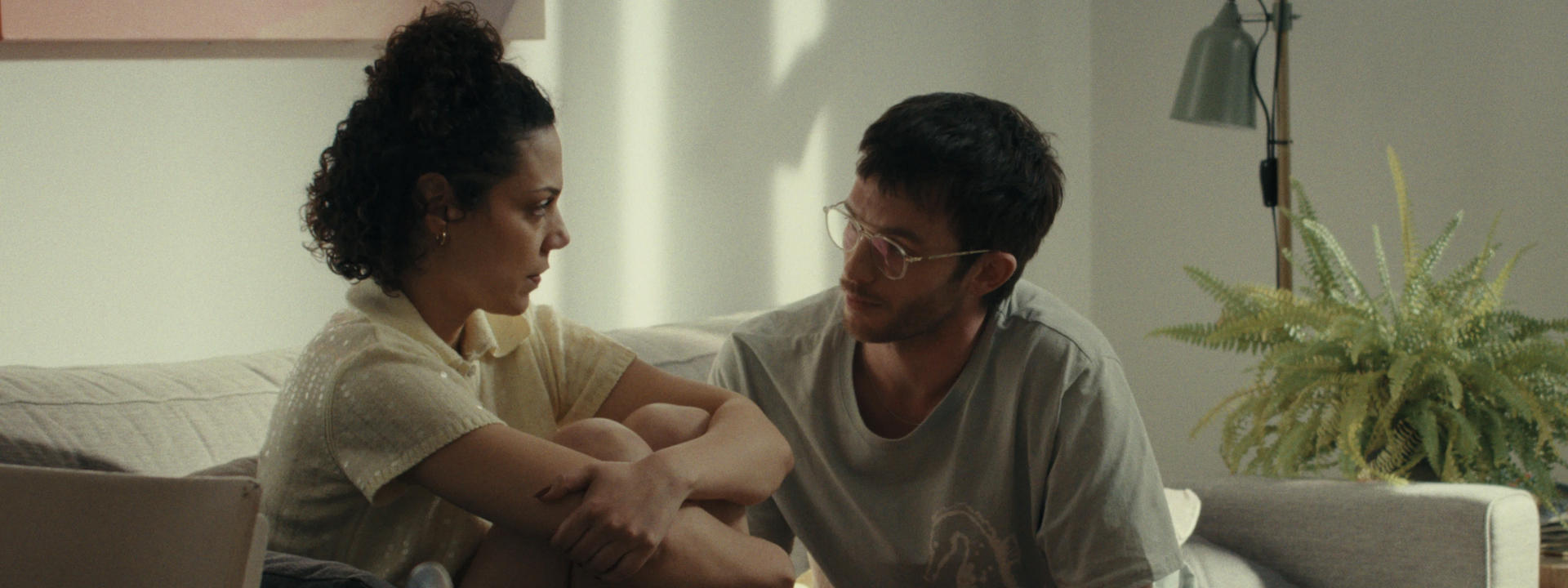
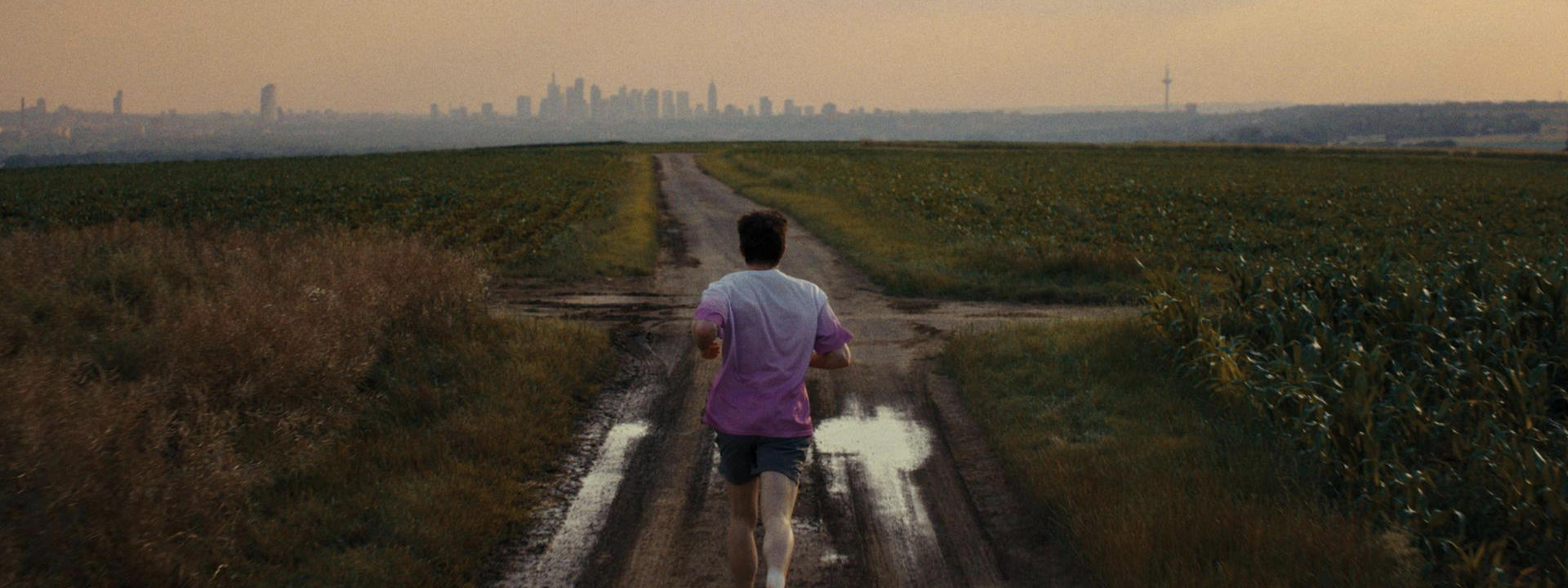
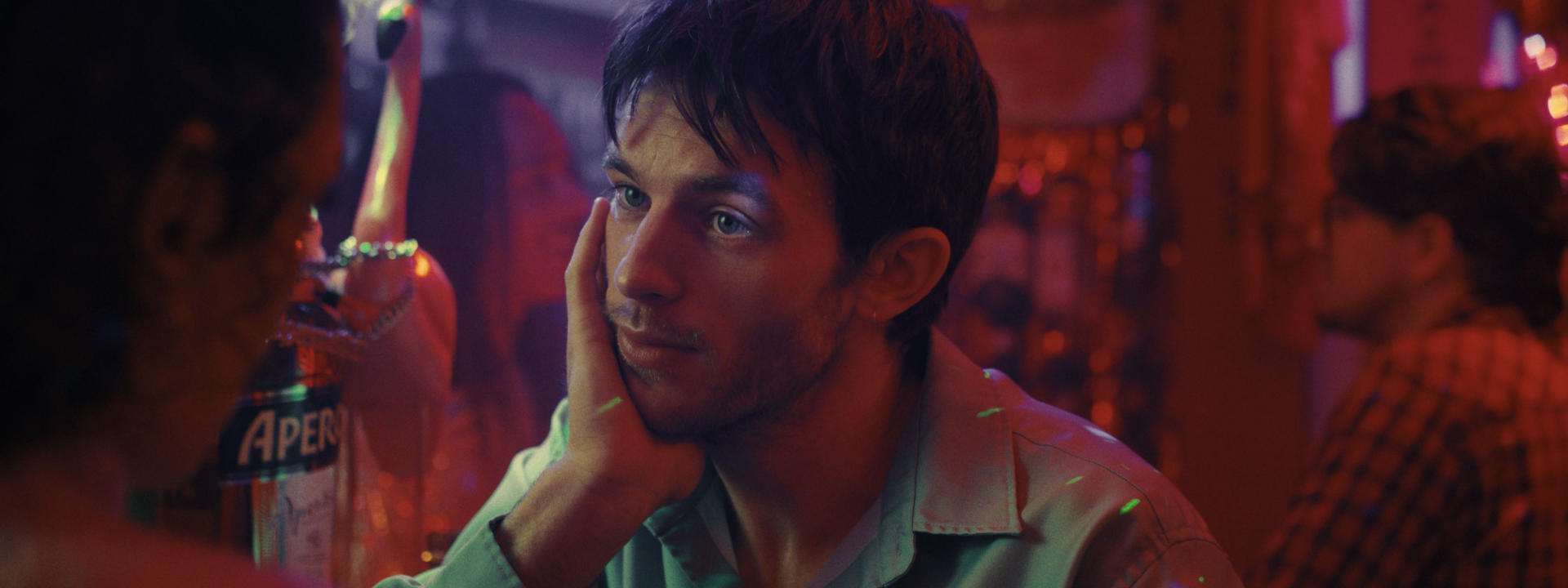
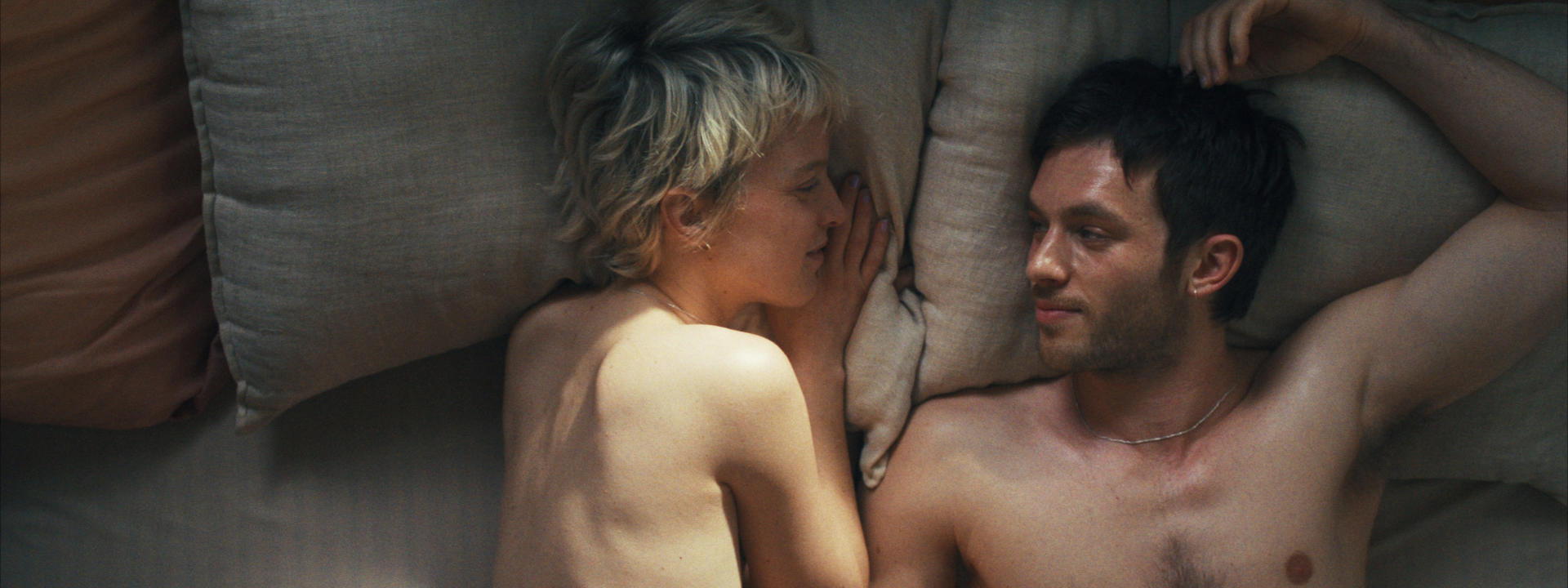
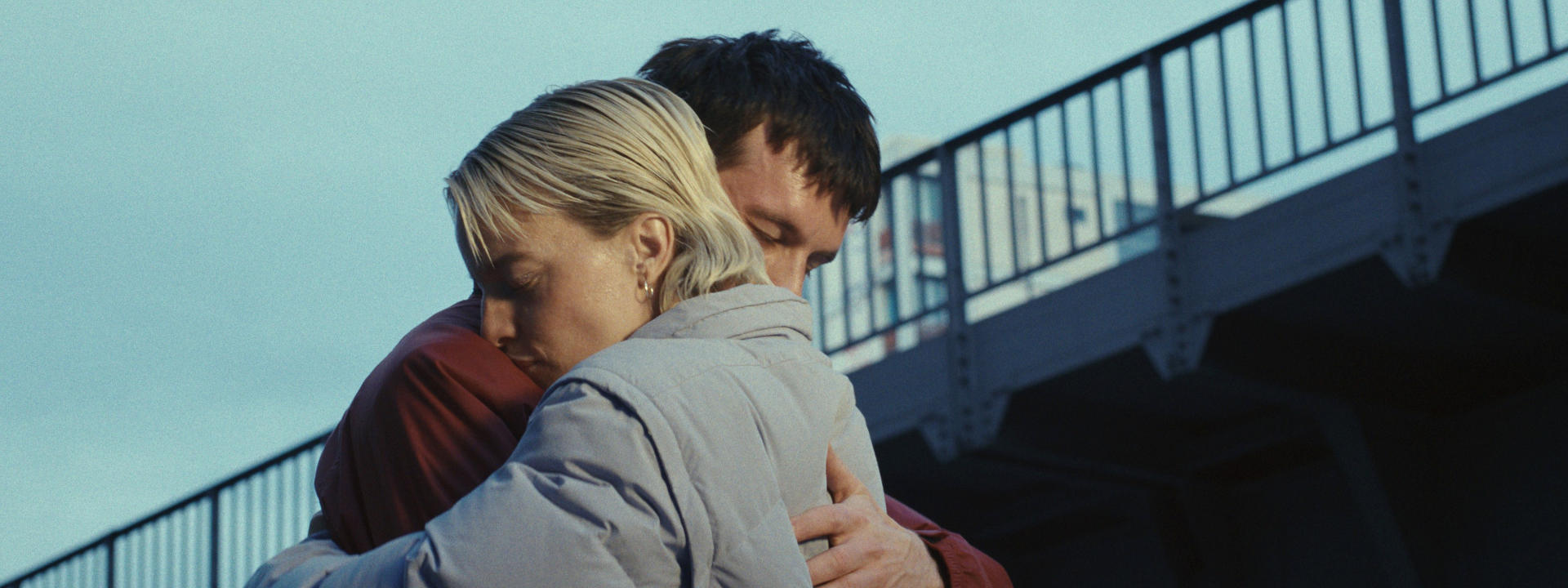
Summer 2018. Tanja lives in Berlin and is a celebrated novelist, with a book that has made her name and a diary filling up fast. Jerome builds websites and lives in an inherited bungalow in a sleepy village near Frankfurt. Theirs is a long-distance relationship, held together by Deutsche Bahn, and it suits them perfectly. Enough closeness, enough air.
The balance is not quite even, mind you. Tanja’s success fills every room she walks into. Jerome has charm, good looks and a life that ticks along pleasantly, but nothing that carries the same weight. Everything holds, until the night of her thirtieth birthday, when Tanja realises that something might actually be at stake.
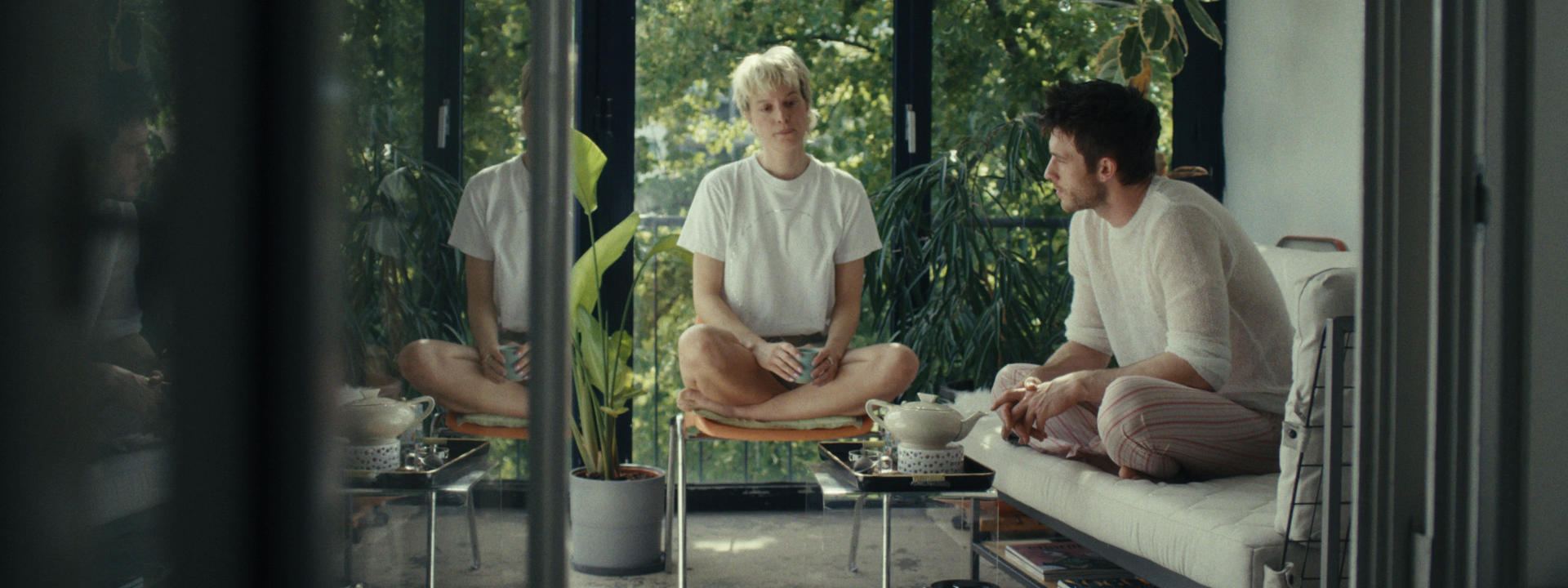
What follows is not a row. Barely a voice is raised in this film. Tanja and Jerome are exceptionally good at talking about their feelings, so good that they never quite manage to say anything. Every conflict is neatly sidestepped, and all of it plays out in interiors that look lifted straight from a design catalogue, in precisely the pastel shades of the title.
They are not badly off, it should be said. Money, freedom, work they enjoy, a house they did nothing to earn. No illness, no money worries, no setback worth the name. Which leaves exactly one subject to fret about: yourself.
And yet. Relationship trouble is no less real because the rest of your life happens to be sorted. Roller does not spare her characters, but she never laughs at them either. They are allowed their small obsessions, exactly as the rest of us are.
There is something else. The film is set in 2018, barely eight years ago. No pandemic, no war in Ukraine, no political landscape on the brink. As you watch, it slowly dawns on you that you are looking at a vanished world. The fact that you could once be this preoccupied with yourself now feels like a luxury from another era.
Leif Randt’s novel was hailed in Germany in 2020 as the book of this generation. Randt wrote the screenplay himself, and the cool, flat tone of the book, in which nothing ever sounds more important than anything else, has survived remarkably intact.
So do not expect an explosion. Allegro Pastell is a pleasure to watch and only catches up with you afterwards, when you are standing at the bar with a drink and realise you have spent the whole film being irritated by two people who look suspiciously like you. This film is nastier than it looks.