Anna is thirty-eight, knows exactly what she wants, and cannot stand being talked about as though she is not in the room. When her mother dies suddenly, her sister flies down from New York to sort everything out. She means well. She tidies up Anna’s life as though it were an attic.
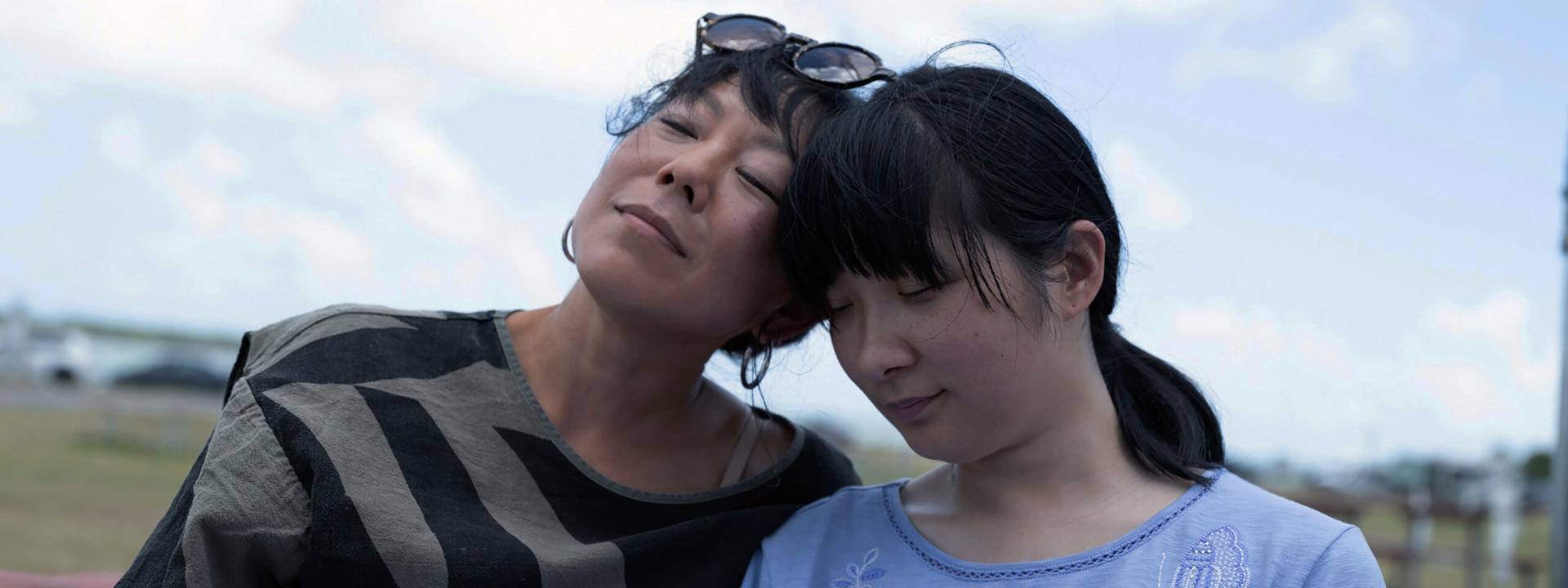
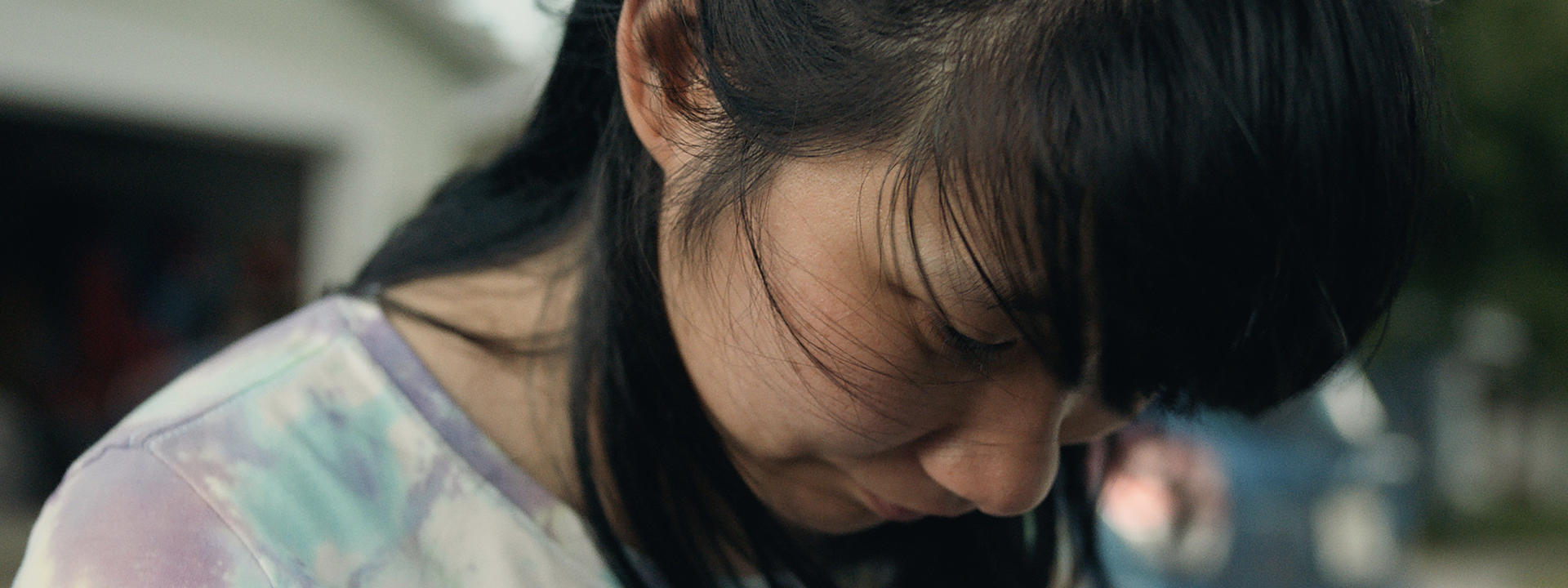
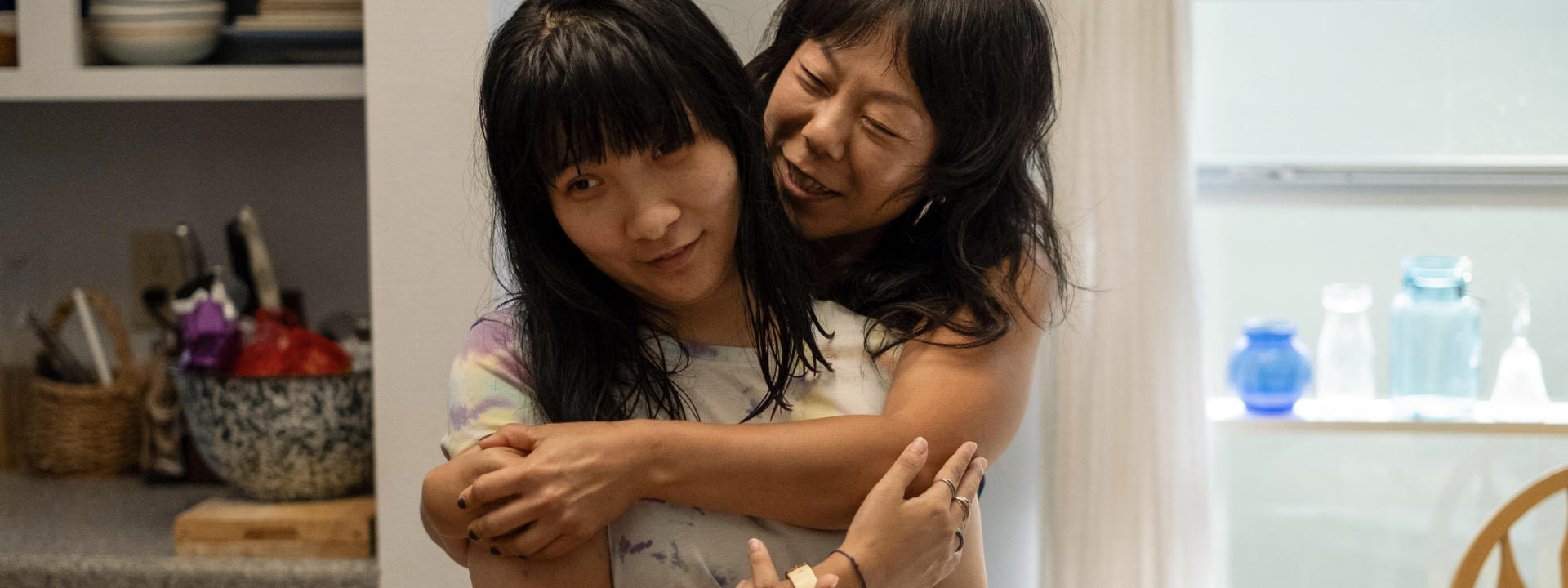
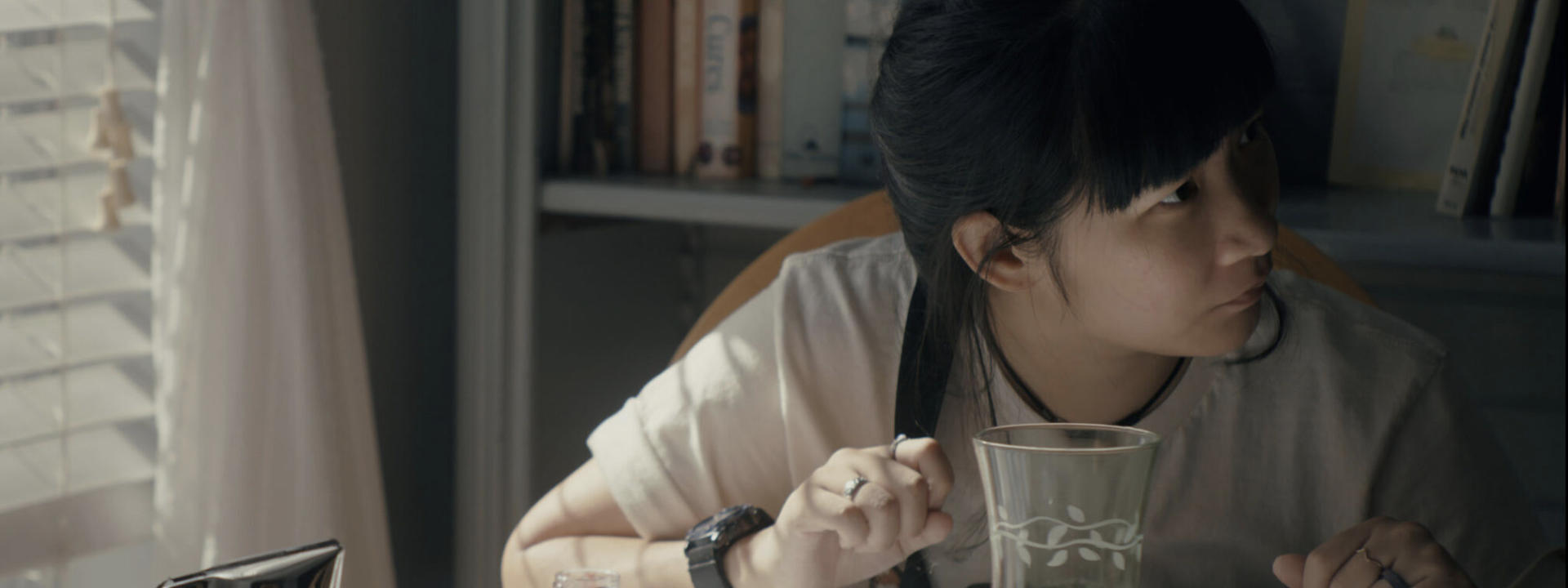
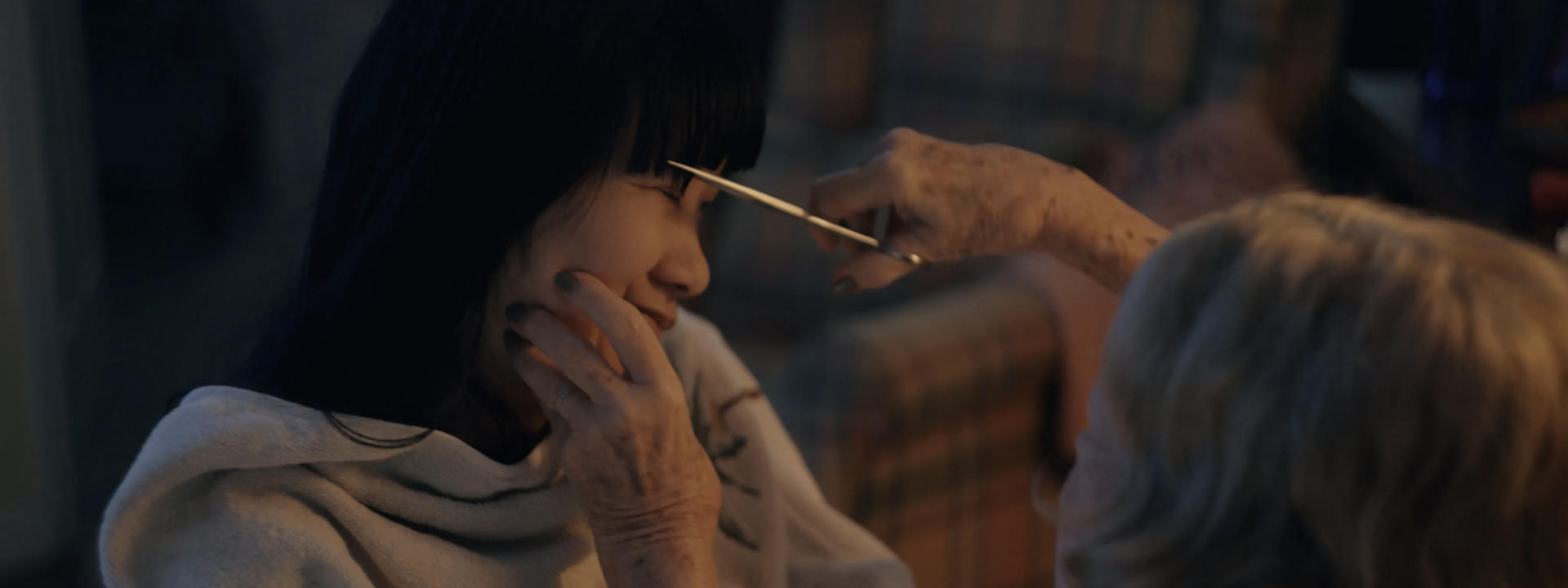
Anna was adopted from Korea as a baby and lives with her parents in Florida. She has a cognitive disability, she has her routines, she has her sense of humour, and she has her mother Joan, who takes care of everything. Until one day Joan is gone.
What is left is a father, Bob, doing his level best to cover up his early dementia, and a house where nothing runs by itself any more.
Sister Emily flies down from New York. She loves Anna, she means well, and within a few days she is completely overwhelmed by what looking after her sister actually involves. So she does what overwhelmed people do: she starts organising. She tidies, she rearranges the house, she makes plans, she takes decisions.
Except: it is Anna’s house. And Anna has views of her own.
Take Me Home is not only about how Anna can be helped. It is mostly about how little time, room and patience there is for anyone who does things at their own speed.
Service desks that rush you along. Forms you cannot fill in yourself. A country that promises care and does not deliver. And all the while, people who love you and still go over your head, simply because it is quicker that way.
Anna Sargent, who plays Anna, is director Liz Sargent’s sister, and she has a cognitive disability herself. Where roles like this usually go to actors without a disability, here the person herself is on screen. You feel it in everything: in the rhythm of the scenes, in the timing of the jokes, in how little this film is interested in explaining itself. Sargent had already made a short film with the same title and the same lead. The feature version won the Waldo Salt screenwriting award at Sundance.
Take Me Home is warm, often funny and quietly furious. Furious at a society that only makes room for those who can keep up. And it arrives at the simplest question there is, the one almost nobody thinks to ask Anna: what do you actually want?
We’re delighted to present this Dutch premiere in collaboration with our friends at Roffa Mon Amour in Rotterdam. On August 19, the film will screen simultaneously at both festivals.