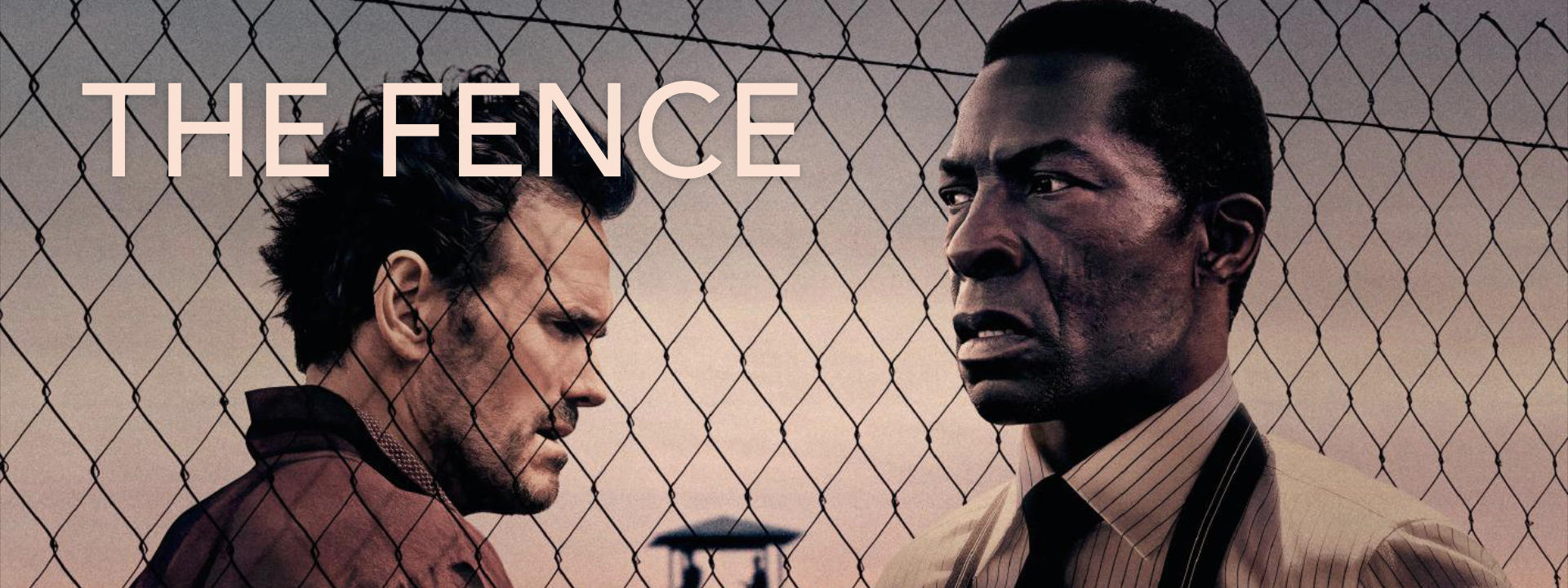
A Western construction firm, a fenced-off compound deep in West Africa, and one long night in which a man comes to the fence to ask for his brother’s body. The Fence is a smouldering, theatrical power play by Claire Denis, one of the most influential directors in contemporary French cinema.
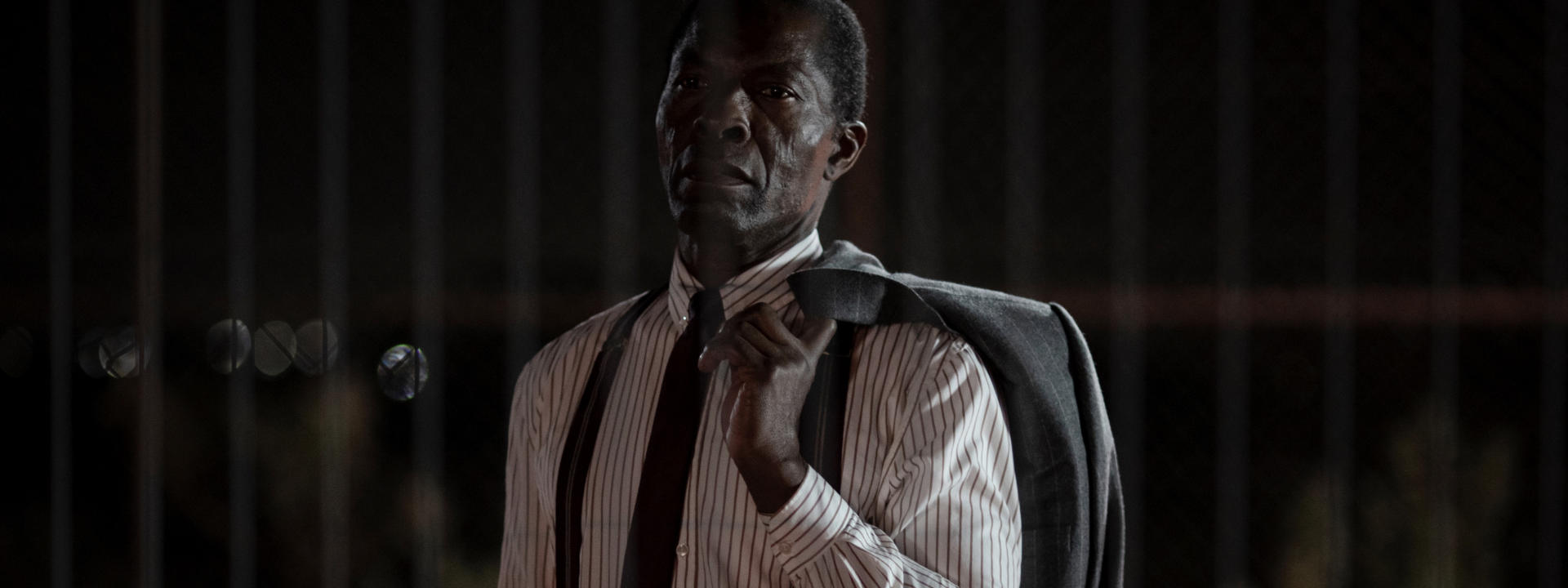

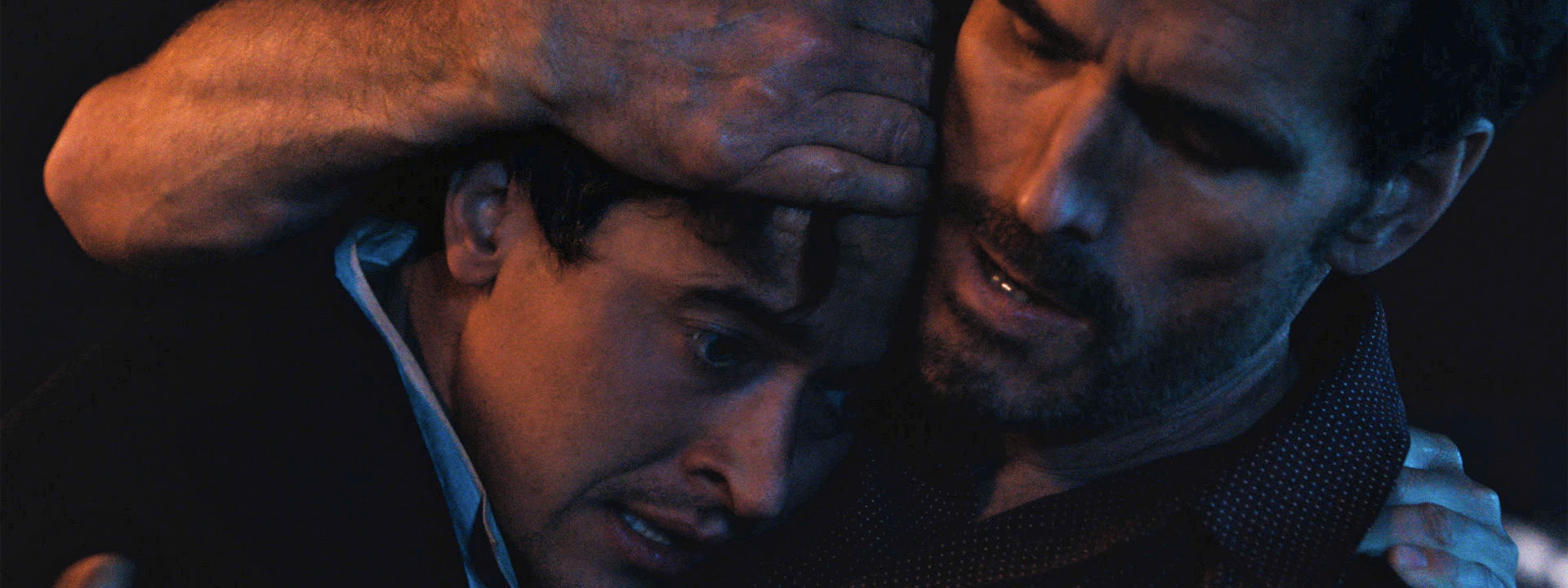
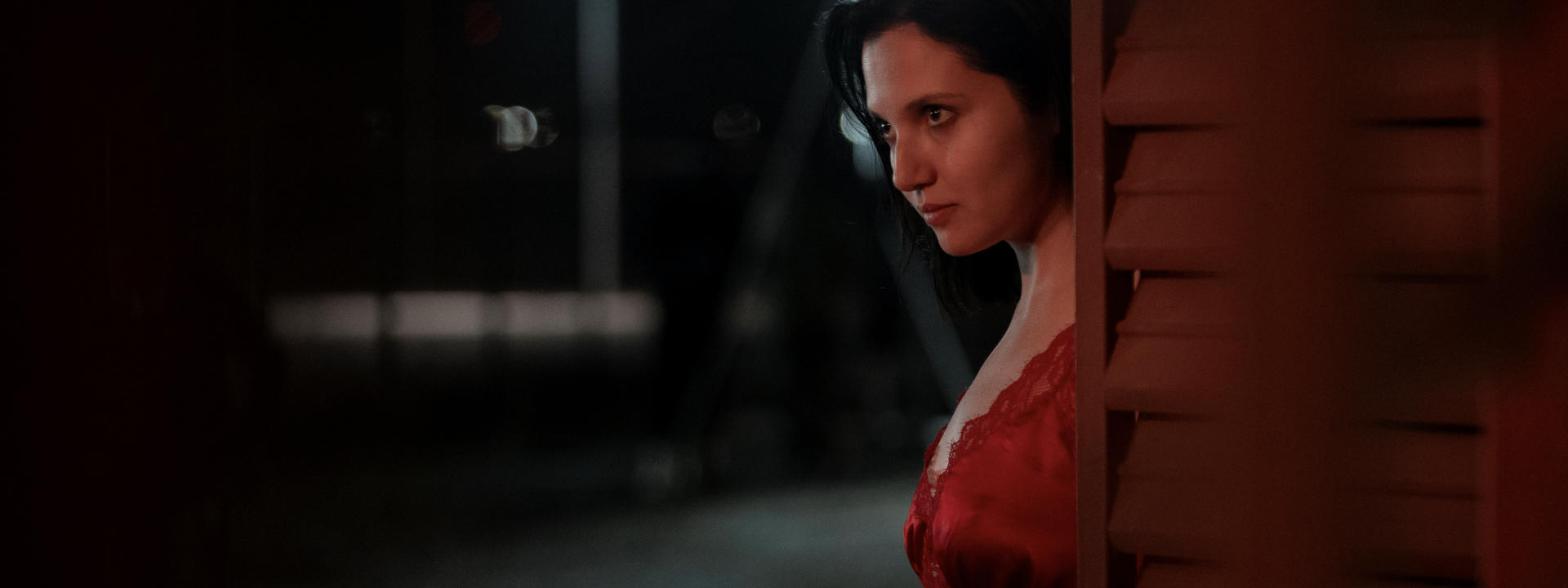
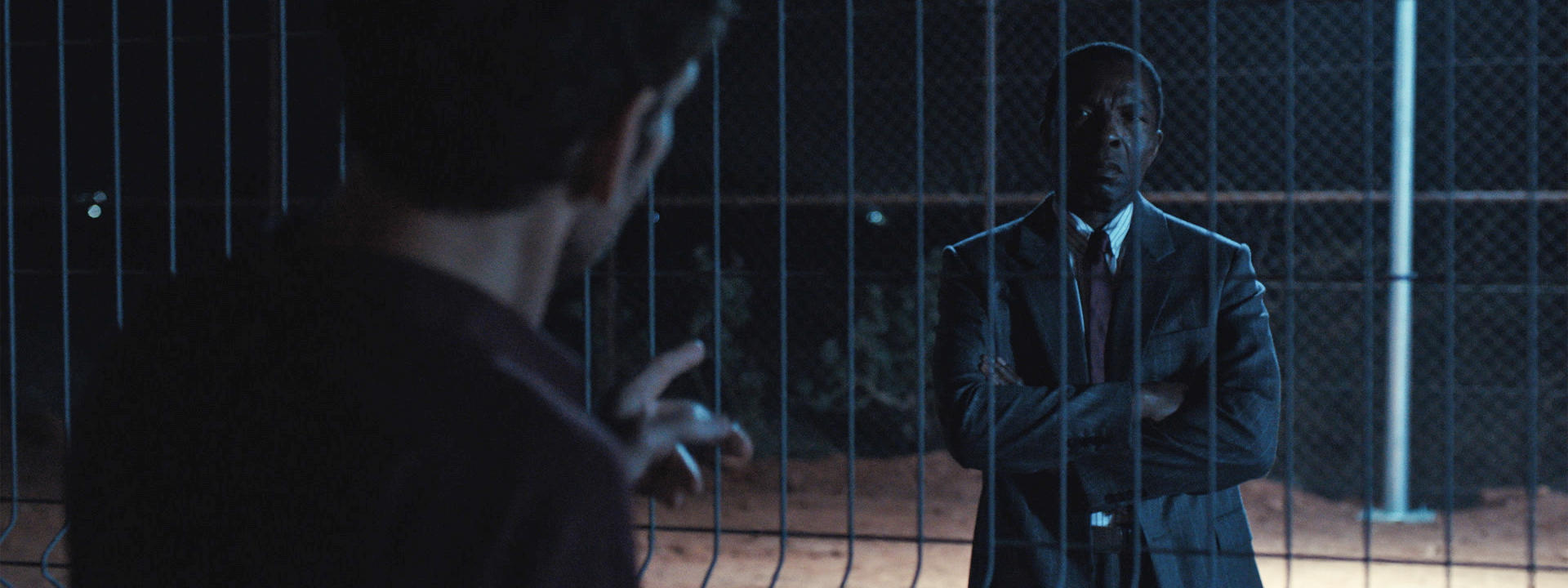
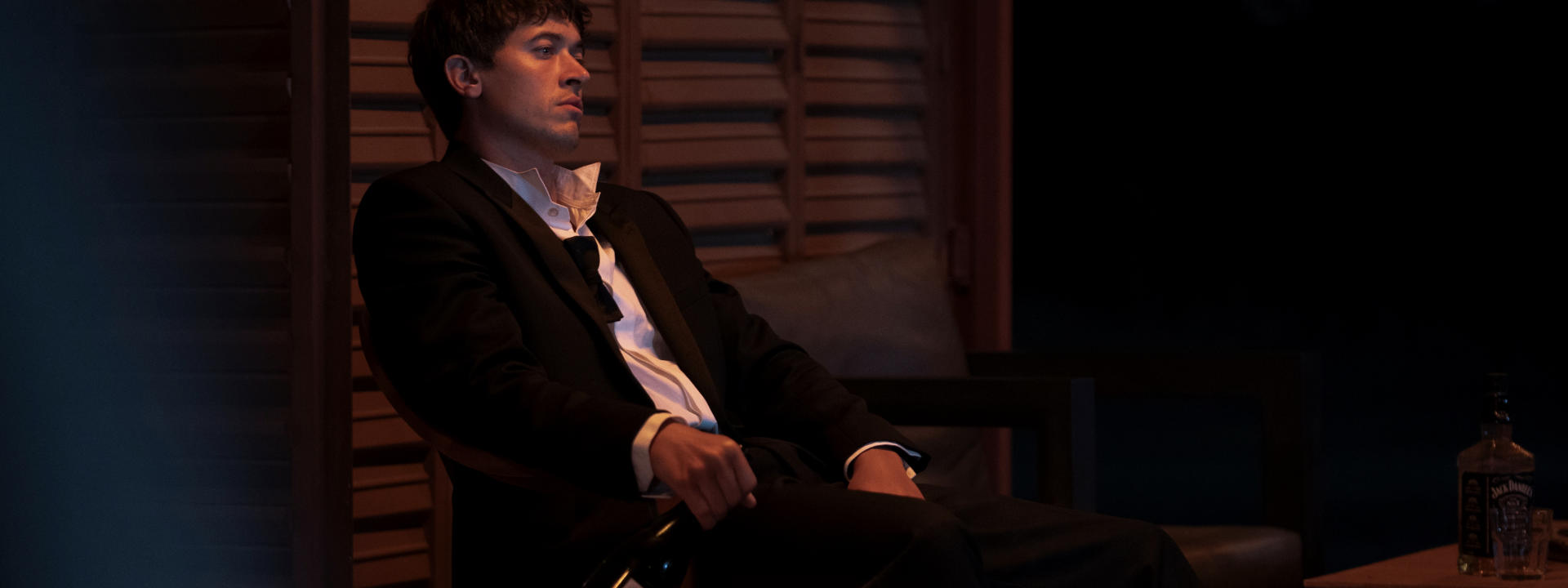
Horn runs a large construction project somewhere in West Africa. He shares lodgings with a young engineer behind the double fences of the section reserved for white staff. On the evening Horn’s bride-to-be Leone arrives from Europe, a man appears at the fence. His name is Alboury, and he has come to claim the body of his brother, who died on the site that day.
What follows is a night no one gets through unscathed. Alboury will not budge. The two men stall, dodge and try to talk their way out of it, while Leone watches everything around her slowly come apart. It all plays out on that one enclosed compound, which gives the film the feel of a chamber piece: few characters, plenty of tension, and a menace that grows by the minute.
And the tension lies in the relationships. Who holds the power here, who depends on whom, who has something to hide: it all shifts from scene to scene.
Nobody turns out to be quite who they seem, and as the night wears on the balance of power keeps tipping. You are never quite sure where to look, or whom to trust.
The film is based on the play Combat de nègre et de chiens by Bernard-Marie Koltès, and that theatrical quality is still there. But Denis makes it her own: a film about colonialism, guilt and the lopsided power that comes with it, without ever playing it as a lesson. Isaach de Bankolé is superb as Alboury, with a restrained force that carries the whole film.
Denis has spent decades making films about Africa, power and desire, often in a sensory, almost tactile style, and this spring she received the Carrosse d’Or at Cannes for her body of work. The Fence stays with you: taut, smouldering and tense to the very last minute.